
Wireless modules · Antennas · USB dongles
Wireless hardware. For industrial IoT.
Start with a model number or the device you’re building. Lurrtech helps you review wireless hardware around your network and integration requirements.
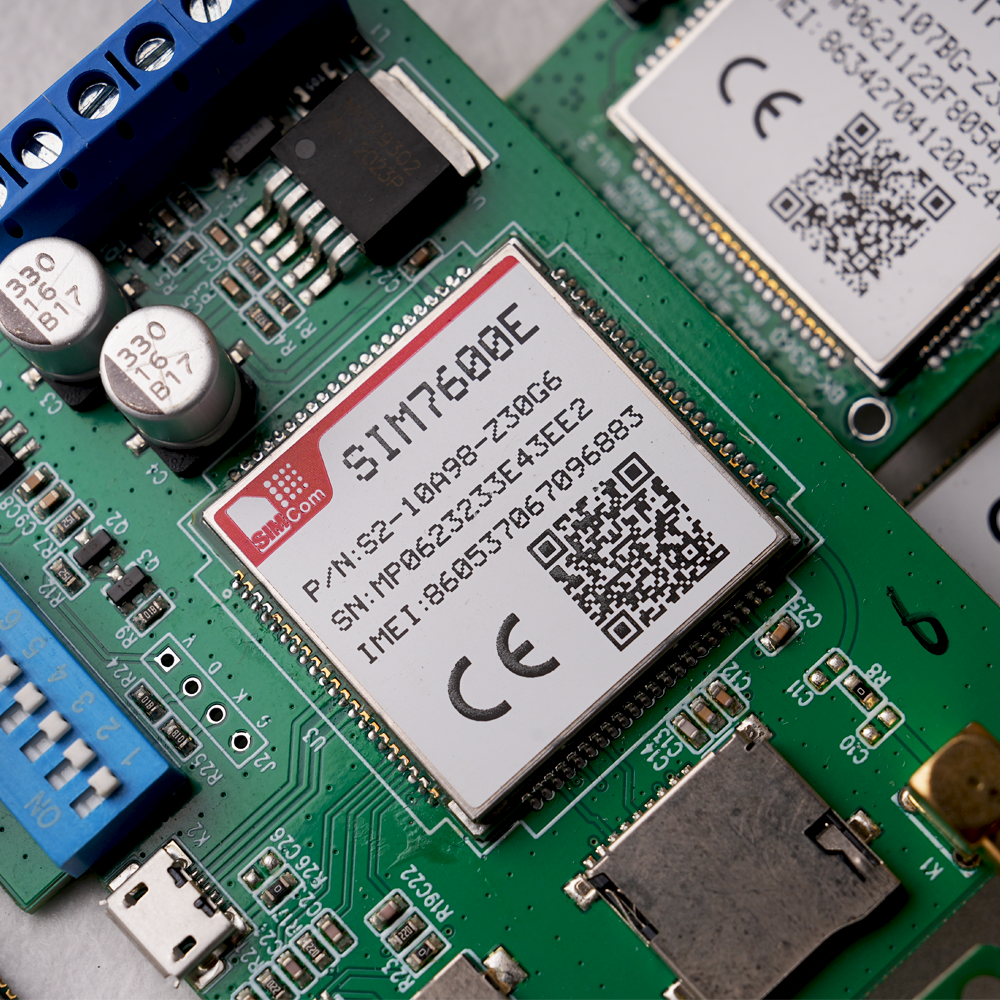
From selection to evaluation
Start with the hardware.
Keep the whole device in view.
Explore the hardware
Choose a starting point.
Browse by function first. Use the catalog’s brand filters when you already have a manufacturer in mind.
Connect & locate
Review cellular and positioning options for your device, host and deployment network.
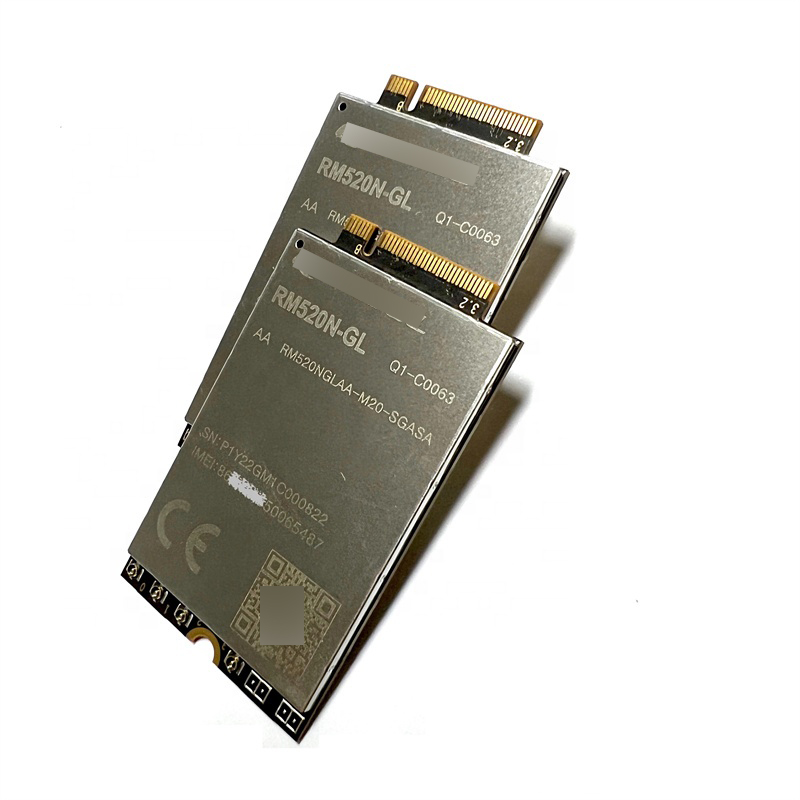
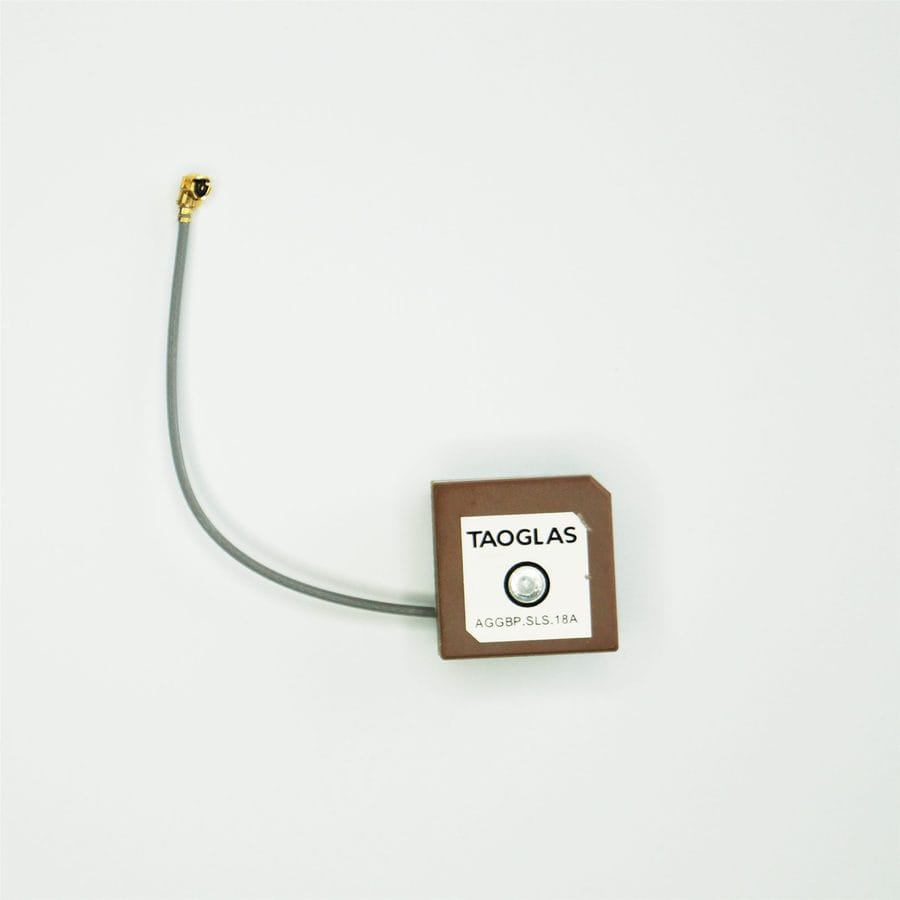
Match the intended bands, connector, cable, mounting and installation environment.
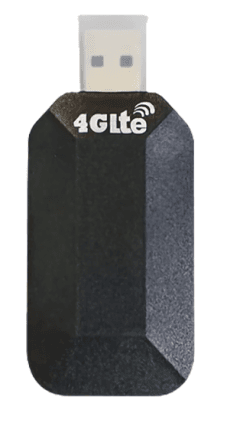
Start with the host operating system, USB requirements, cellular network and installation constraints.
Module selection
A useful choice starts with the device.
You don’t need every answer before contacting us. Share what you know about the application, and we’ll help identify the configuration details to check next.
Where will it operate?
Country, operator and intended deployment help define the network requirements.
What does the device need?
Include data traffic, host interfaces, available power and the installation environment.
What will you evaluate?
Review the module, antenna and sample configuration before planning checks in the intended environment.
Need PCBA support? Bring the BOM, assembly files and test requirements so we can review the build with a manufacturing partner.
Check the certificates available for specific module variants and include your market-specific documentation needs.
Wireless hardware, with engineering support
Lurrtech supplies wireless modules, standard antennas and USB dongles, with technical support around module selection, BOM matching and project requirements.
We also coordinate PCBA prototypes with a manufacturing partner. Bring your network, interface and assembly requirements together so the hardware and build can be reviewed as one project.

Module selection
Match the device and network
Requirement review
Part numbers, packages and quantities
Project support
Modules, antennas and USB dongles
Model quotations
Price and availability for your request
Mission, Vision & Values
Our Mission
Help customers choose and integrate wireless hardware with clear product information and practical technical support.
Our Vision
Build lasting relationships with the teams developing IoT and M2M devices.
Our Values
Customer Dedication · Integrity & Transparency · Technical Excellence · Long-Term Partnership
Selection, assembly and testing
- Module and antenna selection
- IoT BOM matching and PCBA prototyping with a partner factory
- Functional-test requirements and independent third-party testing by agreement
Share one device brief for hardware selection, BOM matching and test planning. If the project needs PCBA work, we review the assembly and documentation requirements with a manufacturing partner.
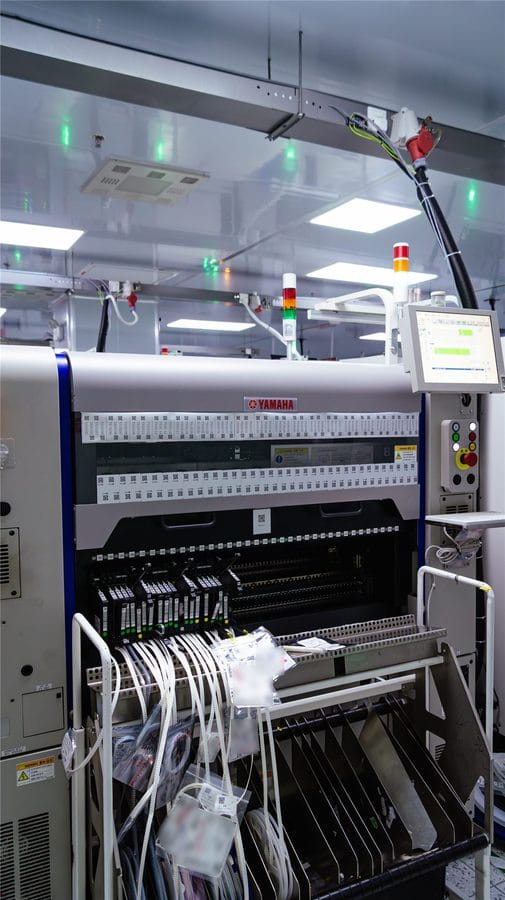
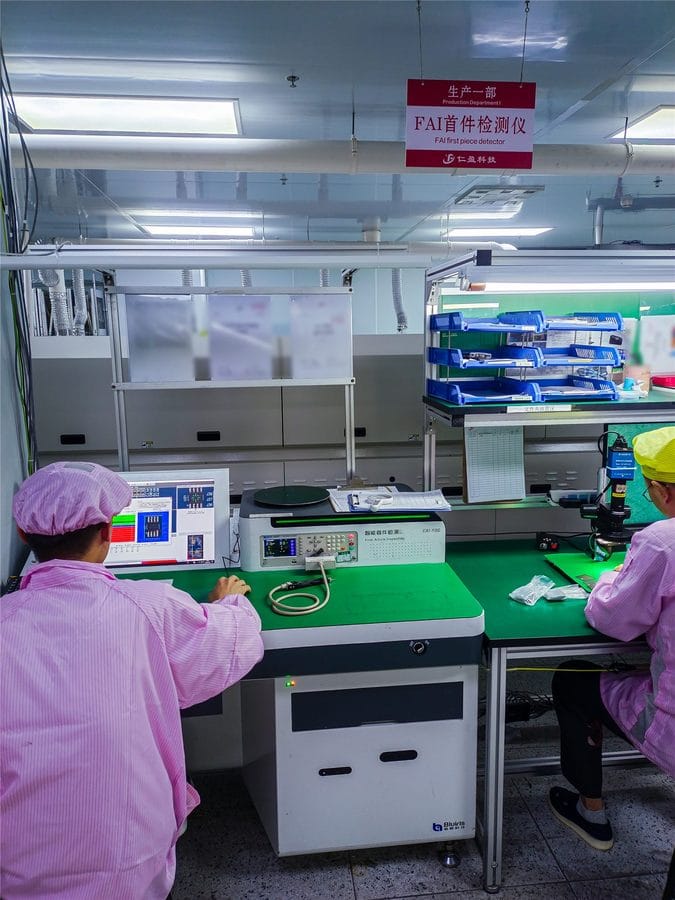
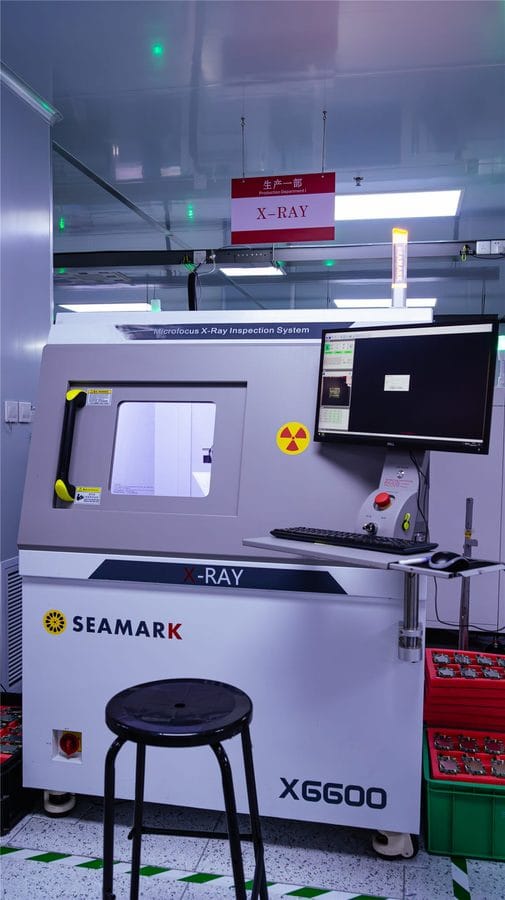
Bring your BOM, assembly files and test requirements. We coordinate with manufacturing partners to plan prototype assembly and the records you need with the build.
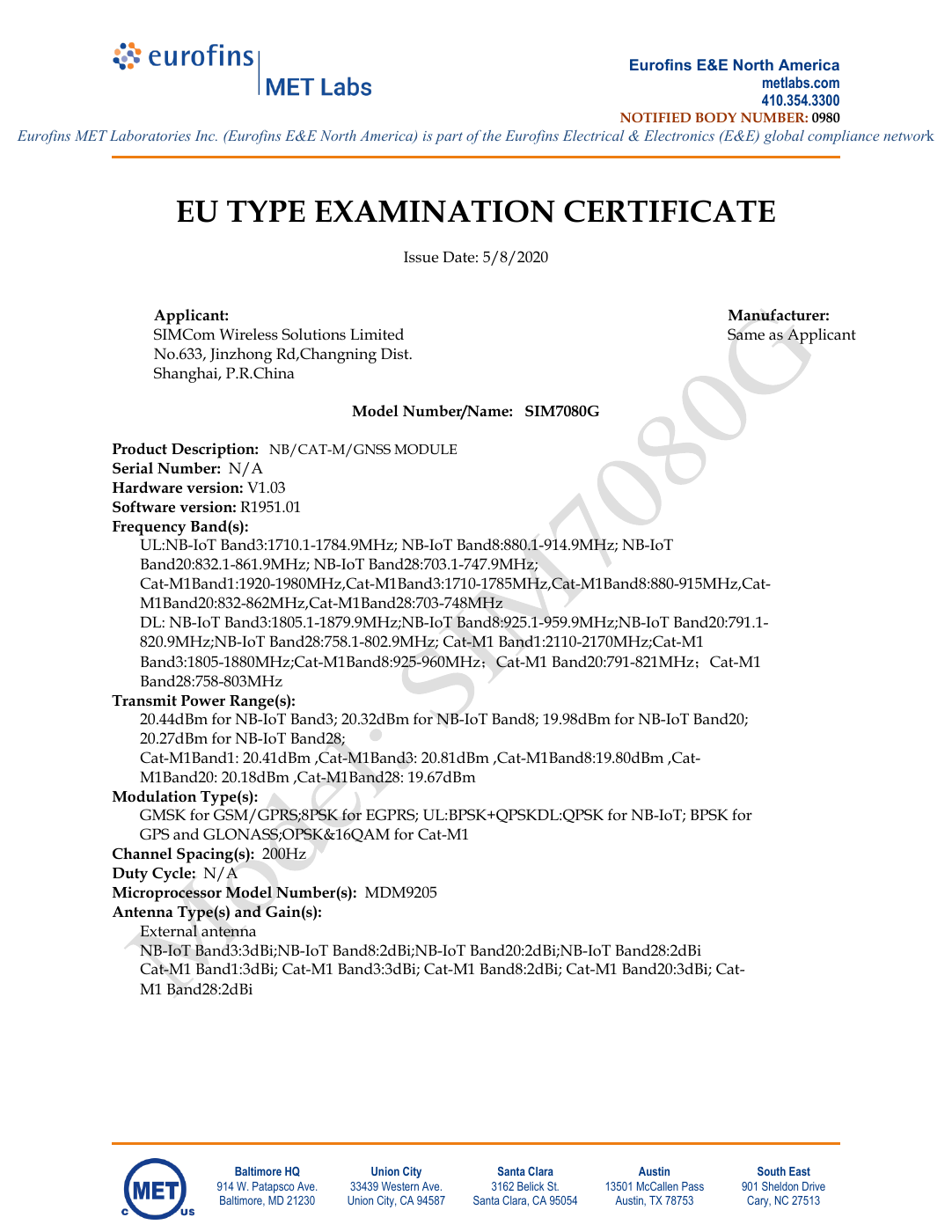
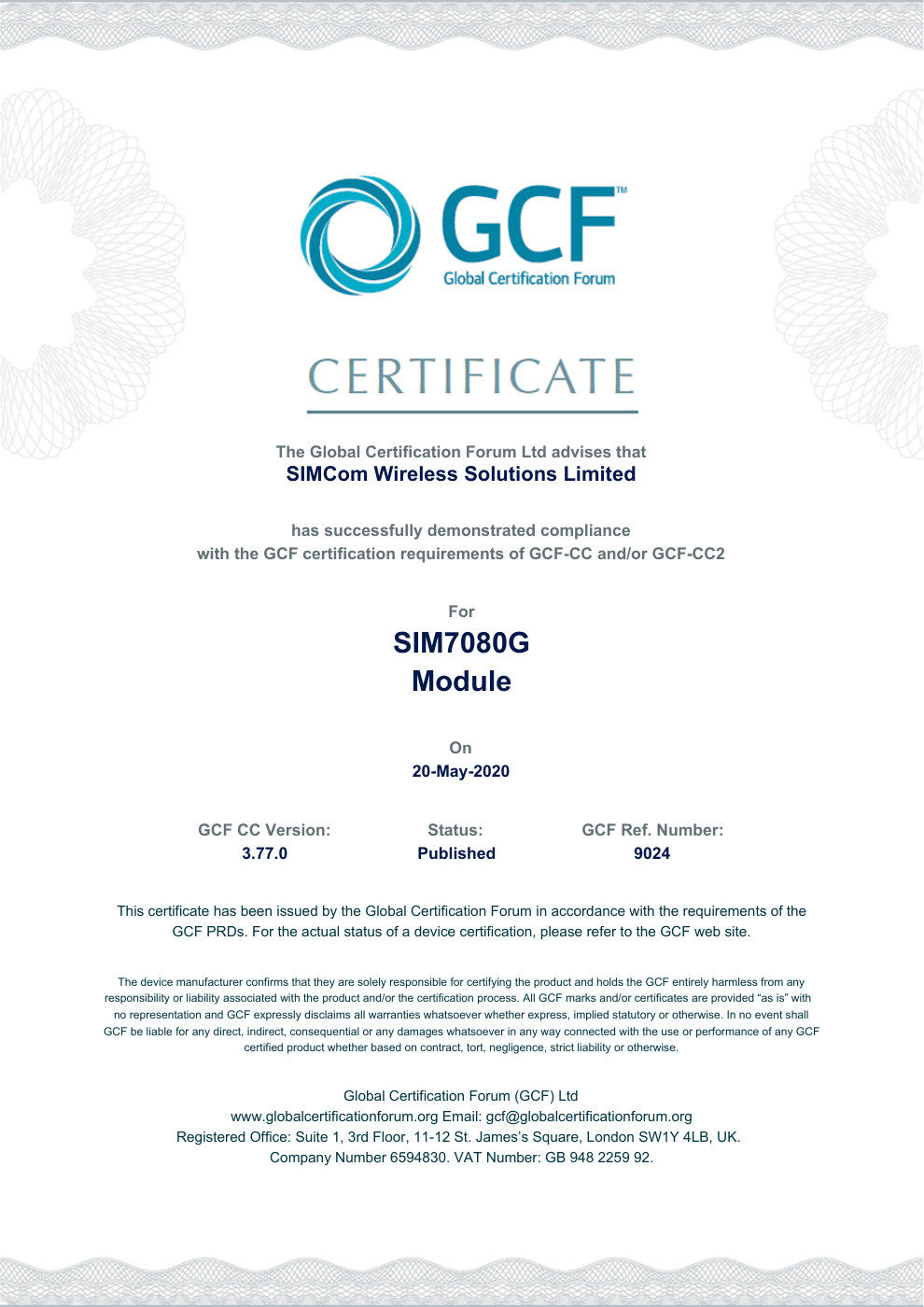
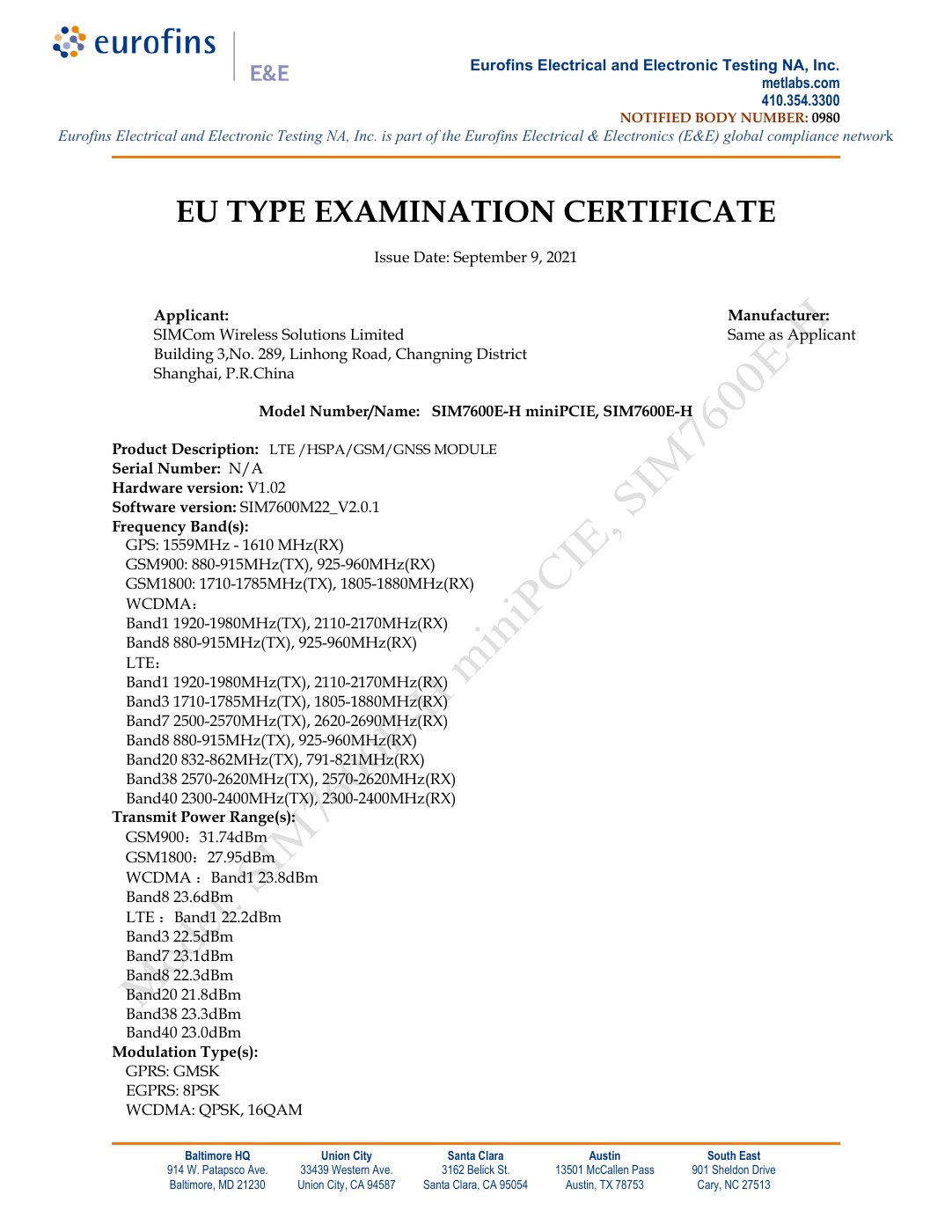
Module certificates
SIMCom certificates for the listed module variants. Open the original documents for their dates and scope, and include any market-specific documentation needs in your inquiry.
Choose a technology for the device
NB-IoT / LTE-M
Share reporting intervals, battery needs and operator coverage when comparing low-power cellular options.
LTE Cat-1
Review the host interface, power supply and deployment network for an LTE Cat-1 device.
LTE categories
Include the data traffic, network and installation requirements when comparing LTE modules.
5G connectivity
Start with the target network, supported bands and host interface when reviewing 5G modules.
Start from an industrial application

Describe reporting intervals, signal conditions, enclosure and available power.
Include deployment country, operator, installation location and maintenance access.
Include host OS, interfaces, antenna connections and required data traffic.
Work through the hardware decisions
Start with what you know
Send a part list or describe the device. Include the application and quantity so we can identify the next steps.
Review the hardware fit
Work through the network, host interface, power and antenna requirements before choosing a configuration to evaluate.
Bring the right documents
A full part number, label photo or datasheet helps identify the requested hardware and document revision.
Get a quote for the configuration
Include quantity, destination and the target date. We confirm availability and commercial terms for the requested configuration.
Plan the prototype checks
For PCBA projects, include the assembly files and test requirements so we can review the build with a manufacturing partner.
Frequently Asked Questions
Send the BOM revision, assembly files, application and prototype quantity. Include the test requirements and target date so we can review the build with a manufacturing partner.
MOQ, availability, price and delivery are confirmed for the requested model, quantity and destination.
Tell us the full model and the documents your customer or destination market requires. We can review the available manufacturer information for that configuration.
Yes. Share the network, host interface, power supply and application requirements for help with module selection and integration.
Shipping options are discussed for the requested destination and confirmed with the quote.
We coordinate PCBA prototypes with a manufacturing partner. Send the BOM, build files, quantity and test requirements to start.
Practical IoT guides
Work through the next decision.
LTE-M vs NB-IoT: Choosing Connectivity for Industrial Devices
Compare LTE-M and NB-IoT by network, movement, traffic, power and command deadlines. Use the evaluation checklist to prepare an industrial IoT selection brief.
Choosing a Cellular Module for Industrial IoT: A Practical Checklist
Choose a cellular module around country, operator, bands, power, host and antenna needs. Prepare your industrial IoT brief with this practical checklist.
A model number.
Or a device brief.
Choose the starting point that fits your project. Send your module requirements, part list or prototype brief, including the quantity and target date, so we can review the next steps.
Send the full manufacturer model, ordering suffix, quantity and delivery country. Include firmware or configuration requirements when relevant.
Start with the device, deployment country and operating conditions. Mark unknown details so we can identify what needs checking.
